
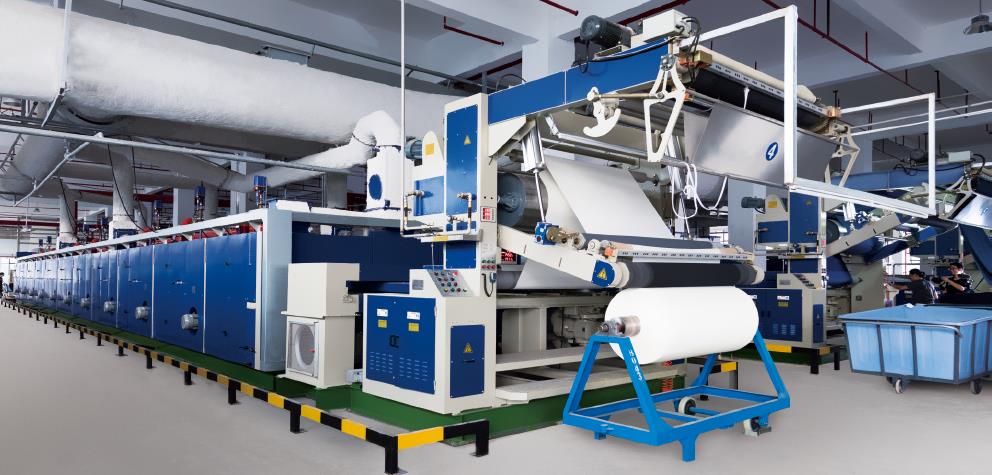

A stenter machine in textile finishing (stenter frame) is a primary machine used to dry, heat-set, and control fabric width after dyeing or chemical processing. It holds fabric edges with pins or clips while moving through heated chambers to ensure precise dimensions and surface quality.
Drying: Efficiently removes moisture after dyeing, scouring, or washing.
Heat Setting: Stabilizes synthetic fibers (e.g., polyester, nylon) to prevent shrinkage.
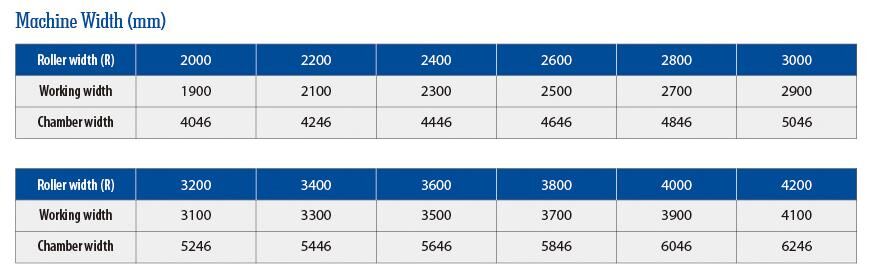
Width Control: Stretches and aligns the fabric to desired width and GSM specifications.
Chemical Finishing: Applies softeners, water repellents, flame retardants, or wrinkle-resistant treatments using a padding mangle.
Surface Appearance: Eliminates wrinkles and straightens yarn skewing for a smooth finish.
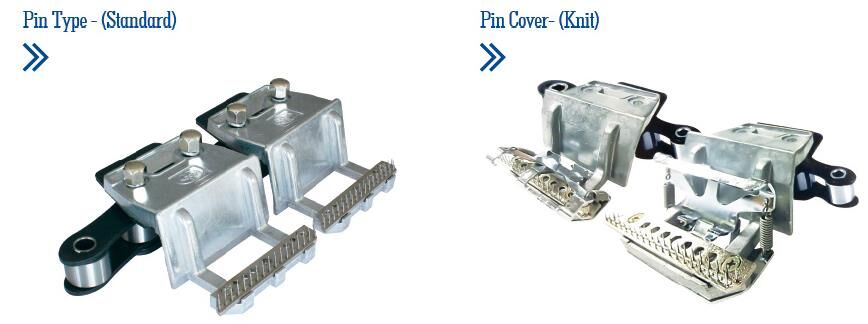
Pin Stenter: Uses fine pins along the edge; best for lightweight and knitted fabrics.
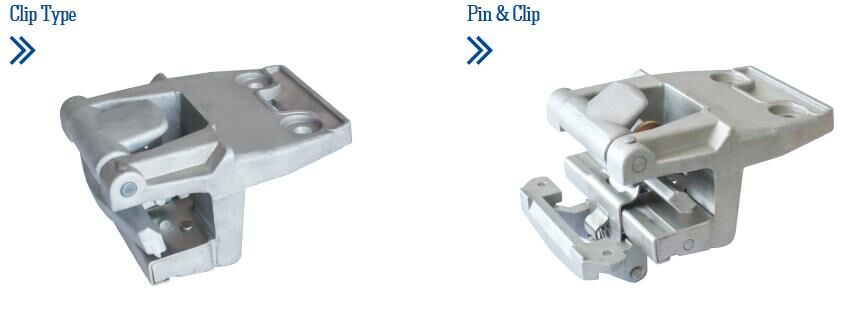
Clip Stenter: Uses mechanical clips; ideal for woven and delicate fabrics to avoid pin marks.
Pin-and-Clip Stenter: Combines pins and clips for maximum versatility across knits and wovens.
Horizontal Stenter: Fabric moves horizontally; the standard layout in most finishing mills.
Vertical Stenter: Fabric moves vertically; ideal for space-constrained plants or specialized uses.
Key Components: Entry unit, padding mangle, transport chain (pins/clips), overfeed system, heated chambers stenter machine in textile finishing (gas/steam/electric), cooling zone, and PLC/HMI automated control.
Applications: Widely used for cotton, polyester, blends, knitted goods, woven fabrics, and technical textiles before final inspection and packing.

Automated page speed optimizations for fast site performance